
Contact-mode decision making
Robots must decide when to grasp, push, drag, brace, lean, pin, wedge, pivot, or exploit the environment, and how to transition between those strategies under uncertainty.
CoRL 2026 Workshop
A half-day workshop focused on how robots decide, sense, and control contact while moving through the world, spanning prehensile and non-prehensile skills.
Deadline extended. In response to requests from authors, we have extended the paper submission deadline to October 15, 2026 (AoE).
Recent advances in robot learning, control, perception, and planning have enabled mobile robots to navigate complex environments and interact more capably with the physical world. Legged robots, humanoids, and mobile manipulators now perform tasks that require whole-body motion, forceful interaction, and adaptation under uncertainty.
Many real-world loco-manipulation problems cannot be solved by grasping alone. Robots must combine prehensile skills, such as grasping and carrying, with non-prehensile skills, such as pushing, dragging, pivoting, bracing, or using sustained body-object contact. The contact strategy is directly coupled to locomotion, balance, onboard sensing, planning, and whole-body control.
This workshop brings together researchers in legged locomotion, mobile manipulation, non-prehensile manipulation, whole-body control, contact-aware planning, onboard perception, and sim-to-real transfer to identify shared challenges and promising research directions.
Robots must decide when to grasp, push, drag, brace, lean, pin, wedge, pivot, or exploit the environment, and how to transition between those strategies under uncertainty.
Contacts involving a robot's arms, legs, torso, or base—as well as objects and the environment—affect balance, mobility, force regulation, and task success.
Robots must act despite uncertainty in friction, mass, compliance, center of mass, contact location, slip, object geometry, terrain, and other hidden state.
The field needs principles and representations that transfer across fixed-base arms, mobile manipulators, quadrupeds with arms, humanoids, soft robots, and dexterous hands.
Progress requires shared task families, metrics, simulation assets, and real-world protocols that capture robustness, safety, recoverability, contact efficiency, and generalization.
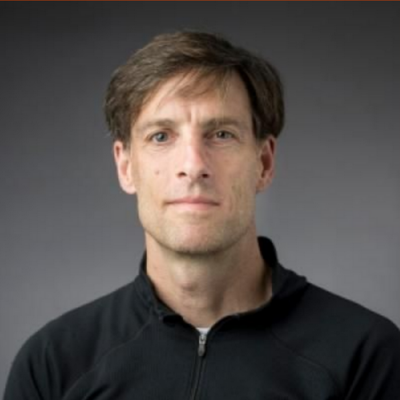
Oregon State University
Robot learning, planning, reinforcement learning, and decision making under uncertainty.
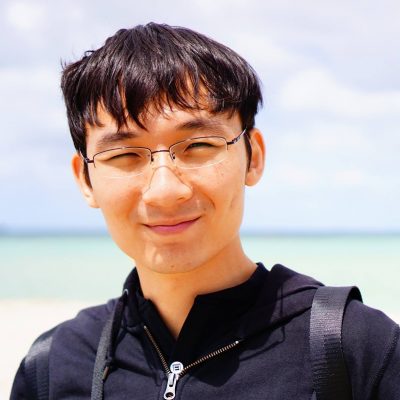
Robotics and AI Institute
Contact-rich manipulation, planning, control, and robust physical interaction.
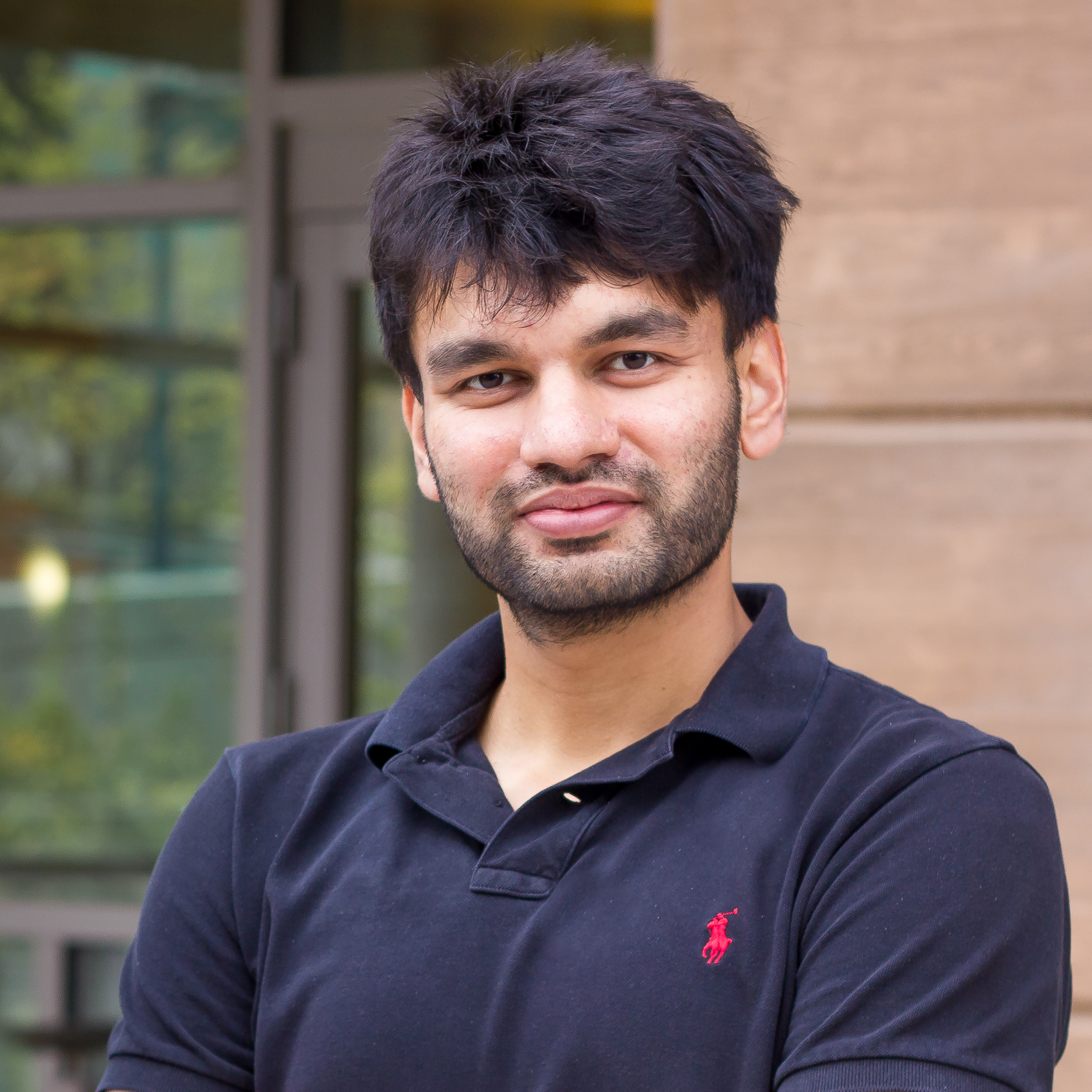
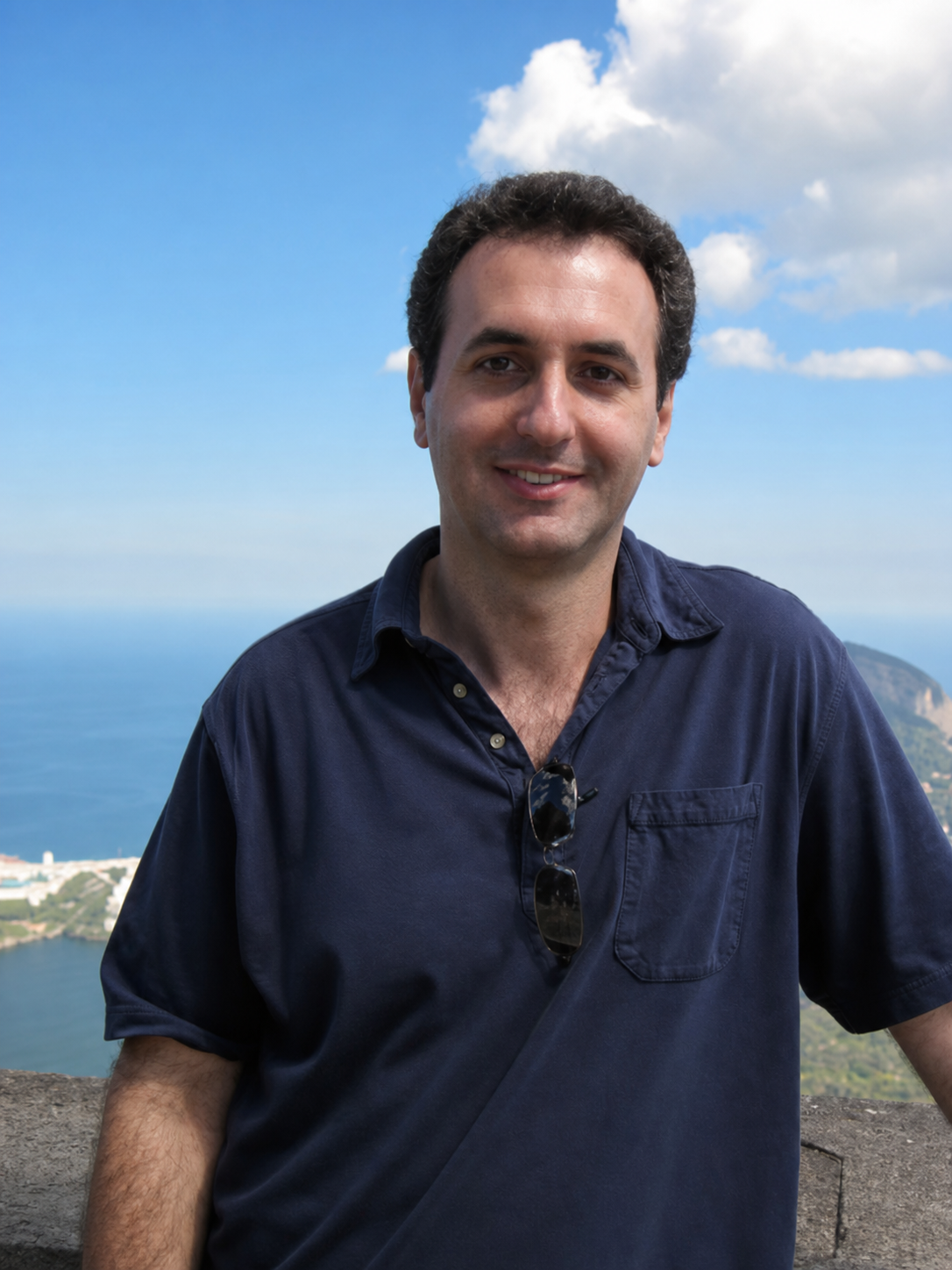
Roboti and University of Washington
Optimal control, physics simulation, contact dynamics, and robot movement.
Four invited talks will frame the central open problems and leave time for direct Q&A on contact-mode selection, whole-body coordination, and uncertainty.
Accepted workshop papers will be introduced through short spotlights and then discussed in an interactive poster session.
A moderated panel will bring together speakers, authors, and attendees, with key open problems and research directions summarized in a post-workshop report.
We invite 2–4 page workshop papers on contact-rich loco-manipulation, including new results, early-stage ideas, benchmark proposals, position papers, open problems, negative results, and failure analyses.
Deadline extended. In response to requests from authors, we have extended the paper submission deadline to October 15, 2026 (AoE) (previously October 8).
Appendices are allowed. We generally expect submissions to be 2–4 pages, excluding references, without an appendix. If an appendix is particularly important for your work, you may include one. We encourage keeping the main paper self-contained within the four-page limit.
Submissions will undergo single-blind review.
This workshop is non-archival. Accepted papers will be posted on this website.
Researchers across robot learning, locomotion, manipulation, control, perception, planning, and benchmarking are welcome. We especially encourage late-stage PhD students, postdoctoral researchers, and others early in their careers to participate and present their work.